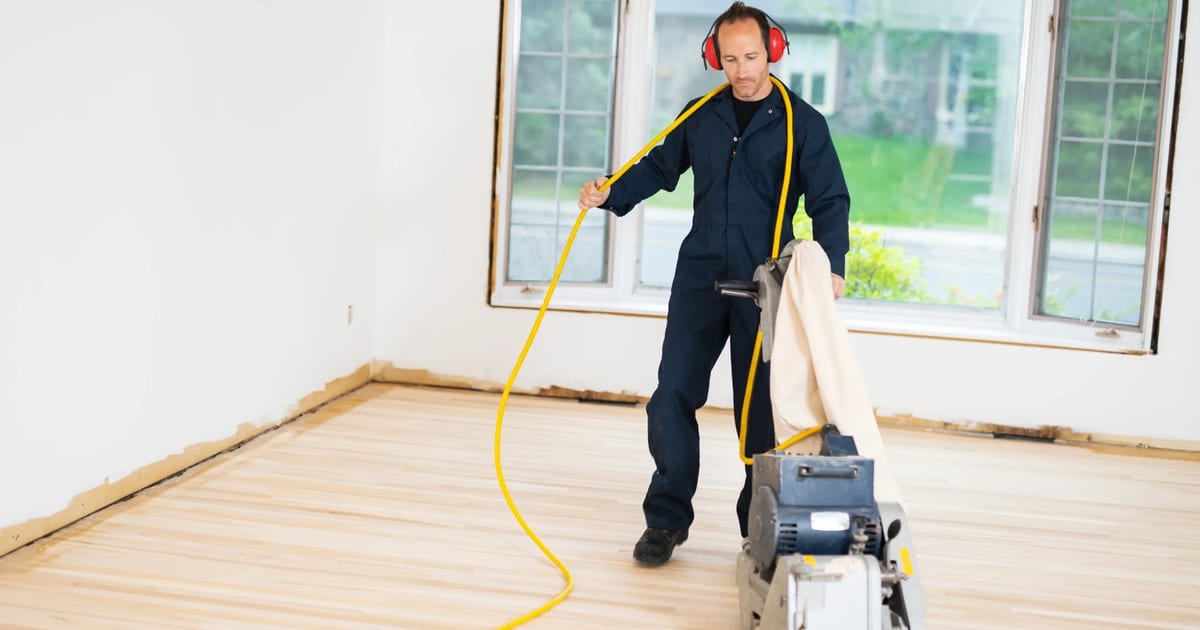
Should You Refinish or Replace Your Hardwood Floors? A DFW Homeowner\'s Guide
Refinishing preserves the character of your existing floor and often costs less than replacement — but it is not always the right call. Here is how to think through the decision.
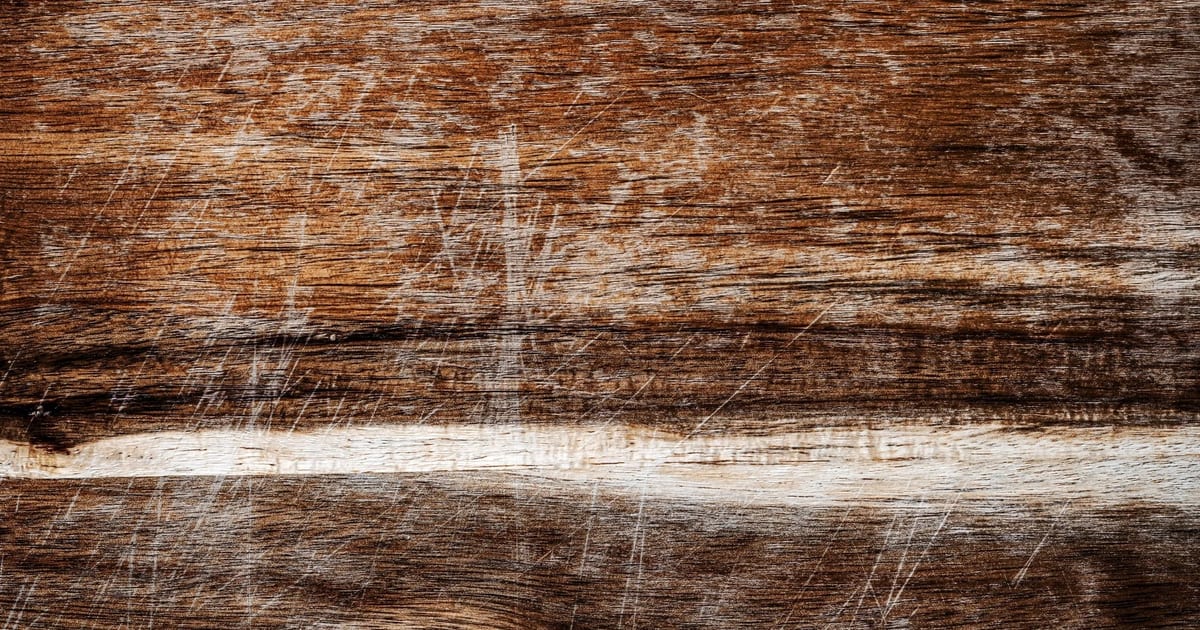
Your hardwood floors have seen better days. Maybe they are scratched, dull, or showing gray boards in a few spots. The question most homeowners ask at this point is: is it worth refinishing, or is it time to replace?
The honest answer depends on the condition of your wood, the type of hardwood you have, its history, and what you want the floor to look like when the project is done. This guide walks through the factors that matter — so you can approach an in-home assessment with a clear picture of what to ask.
If you are still figuring out whether your floor needs attention at all, start with our earlier guide: How to Know When Your Hardwood Floors Need Refinishing. This article picks up where that one leaves off — once you know something needs to happen, here is how to decide what.
The Options on the Table
Before getting into the decision, it helps to know what the options actually are. "Refinish or replace" is not always a binary choice.
Screen and recoat (also called buffing and recoat): a light abrasion of the existing finish followed by fresh topcoats. No sanding into the wood itself. Works when the finish is worn but the wood underneath is still in good shape, and when the existing finish is compatible with the new topcoat. Wax, polish, oils, and other residues on the surface can interfere with adhesion and must be assessed before this option is used. Fastest and least disruptive option when conditions are right.
Full sand and refinish: the floor is sanded down to bare wood, stained if desired, and finished with new coats. The boards stay in place. This addresses deeper scratches, worn finish, and surface-level staining, and gives you the opportunity to change the color.
Spot repair: replacing individual boards that are damaged beyond refinishing while leaving the rest of the floor intact. Often combined with a full refinish so the repaired boards blend in.
Full replacement: removing the existing floor and installing new material. Higher cost and more disruption, but sometimes the only path forward — and it gives you the opportunity to choose a different product, width, or species.
Moisture: Address It First, Every Time
Before any refinishing, repair, or replacement work begins, any active moisture problem must be identified and resolved. This is not optional — and resolving the source is only the first step.
After a moisture problem is fixed, the floor must dry and reach moisture equilibrium before any sanding or refinishing begins. How long that takes depends on the severity of the exposure, the wood species, and ambient conditions. Sanding too early — before the boards have fully dried — can cause crowning: as the wood continues to dry and contract, boards that were sanded flat while still swollen will develop a raised center. Appropriate moisture readings, taken at the wood and subfloor, are the way to confirm the floor is ready.
Refinishing over a floor with an unresolved or incompletely dried moisture problem will produce the same issues in the new finish. Replacement over an unresolved moisture problem will damage the new floor too.
How Much Wood Is Left — and What the Manufacturer Says
Every time hardwood floors are sanded, a small amount of wood is removed. Whether a floor can be refinished again depends on how much solid wood remains above the tongue, how many times it has already been sanded, and — for engineered hardwood — what the manufacturer specifies for that product.
There is no single universal rule that applies to every floor. A floor that looks like it has material left may have been sanded unevenly in the past, leaving thin spots. An engineered floor with a thick wear layer may support refinishing; one with a thin layer may not survive even a light sand.
For solid hardwood, a professional can assess the remaining wood above the tongue and evaluate whether another refinish is viable. The number of previous refinishes matters, but so does how aggressively each one was done.
For engineered hardwood, the wear layer — the solid wood veneer bonded to the plywood core — is the limiting factor. Wear layers vary significantly by product and manufacturer. Some engineered floors can be refinished carefully; others are designed for screen and recoat only; others should not be sanded at all. The only reliable answer comes from assessing what is there against the product specifications, not from applying a general thickness rule.
Sanding past the wear layer into the plywood core is not recoverable. It is one of the reasons a professional assessment matters before committing to refinishing.
When Refinishing Is the Right Call
Refinishing makes sense when the wood is structurally sound and there is enough material left to sand safely.
Surface wear and finish damage — scratches that have not cut deep into the wood, worn or dull finish, minor surface staining — are exactly what refinishing is designed to address. If the boards are flat, tight, and dry, a full sand and refinish can substantially improve the floor's appearance, although deep stains, damage, or previous repairs may remain visible.
Color change is another reason to refinish rather than replace. Refinishing can change the floor's color and finish, but the achievable result depends on the existing wood species and grain. Confirm the desired appearance with samples on the actual floor before committing to a stain.
Isolated damage — a few boards with deeper scratches or pet staining — can often be handled with spot repairs combined with a full refinish, rather than replacing the entire floor.
When Replacement Makes More Sense
Some conditions put a floor beyond what refinishing can fix.
Structural moisture damage that has not been caught early. Mild cupping — where board edges rise slightly higher than the center — may be addressable, but only after the moisture source is resolved and the floor has fully dried and reached equilibrium. Boards that have cracked, separated, or developed deep staining through the wood itself typically need to come out. The extent of the damage determines whether spot replacement or full replacement is the right scope.
Wear layer exhausted on engineered hardwood. If an engineered floor has been sanded to the limit of its wear layer, there is nothing left to work with. Attempting to refinish at that point risks cutting into the plywood core, which cannot hold stain evenly and will not finish properly.
Solid hardwood that has been sanded too many times. When the remaining wood above the tongue is too thin for another safe pass, refinishing is no longer an option. A professional assessment will tell you where you stand.
You want a different product. If you are moving from carpet to hardwood, upgrading to a wider plank, or switching to engineered hardwood for better performance on a slab foundation, refinishing is not relevant — you are starting fresh. See our guide on engineered vs. solid hardwood if you are weighing those options.
Cost and Timing: What to Expect
Refinishing is often less expensive than full replacement for the same square footage — but "often" is doing real work in that sentence. The actual cost depends on the condition of the floor, how much preparation is needed, whether repairs are required, and what finish and stain options you choose. A floor that needs significant board repairs or subfloor work before refinishing can close the gap considerably.
Screen and recoat is faster and less expensive than a full refinish, but it only addresses finish-level wear — and only when the existing finish is compatible with the new topcoat. Using it on a floor that needs a full sand, or on a surface with residues that affect adhesion, will not produce the result you are expecting.
For a detailed look at what refinishing involves day by day, see: How Long Does Hardwood Floor Refinishing Take?
For installation cost context if replacement is on the table: Hardwood Floor Installation Cost in DFW
What to Expect During an In-Home Assessment
When we visit a home to assess a floor, we are building a picture of what is actually there before making any recommendation. What we can evaluate depends on access, visible conditions, and whether product documentation is available — concealed conditions, inaccessible subfloor areas, and unknown product specifications can limit what is confirmed during an initial visit.
Moisture indicators. We look for visible signs of moisture-related damage — cupping, staining, soft spots — and can take surface moisture readings where accessible. If readings suggest an active or recent moisture issue, we will tell you what further investigation is warranted before any work begins.
Visible wood condition. We assess the surface for wear, scratches, finish failure, and board-level damage. For engineered hardwood, we can evaluate the wear layer where it is visible or measurable, and cross-reference against product specifications when they are available.
Board and finish condition. We look for cupping, warping, cracking, separation, and boards that appear structurally compromised. We also assess the existing finish type, since wax, oil-based, and polyurethane finishes require different preparation — and some residues affect what options are viable.
Subfloor indicators. Where accessible, we look for soft spots, movement, or signs of moisture in the subfloor. Not every subfloor area is accessible during an initial visit, and concealed conditions may only become apparent once work begins.
The goal is a straightforward assessment of what we can see — not a push toward the more expensive option, and not a refinish recommendation on a floor that genuinely needs to come out.
The Bottom Line
For most DFW homeowners with solid hardwood or engineered hardwood that still has usable wear layer, refinishing is worth exploring first. It typically costs less than replacement, takes less time, and preserves the character of the existing floor. Replacement is the right call when the wood is structurally compromised, the wear layer is gone, moisture damage is extensive, or you want a different product entirely.
An in-home assessment is the most reliable way to understand what your floor actually needs. We will evaluate what we can see, flag anything that warrants further investigation, and give you an honest recommendation.
Book a Free In-Home Estimate and we will take a look.
Related reading:
Explore Topics
Written by
DR.FLOOR Team
Content creator and writer sharing insights and stories.