How to Know When Your Hardwood Floors Need Refinishing
Scratches, dullness, gray boards — learn the 7 signs that tell you it is time to refinish your hardwood floors before the damage gets worse.

Hardwood floors are one of the most durable surfaces in any home — but they are not indestructible. Over time, foot traffic, furniture, pets, and sunlight all take a toll. The good news: most hardwood floors can be brought back to life with professional refinishing. The key is catching the warning signs before minor wear turns into major damage.
Here are the seven signs that tell you it is time to call a flooring professional.
1. Deep Scratches That Catch Your Eye
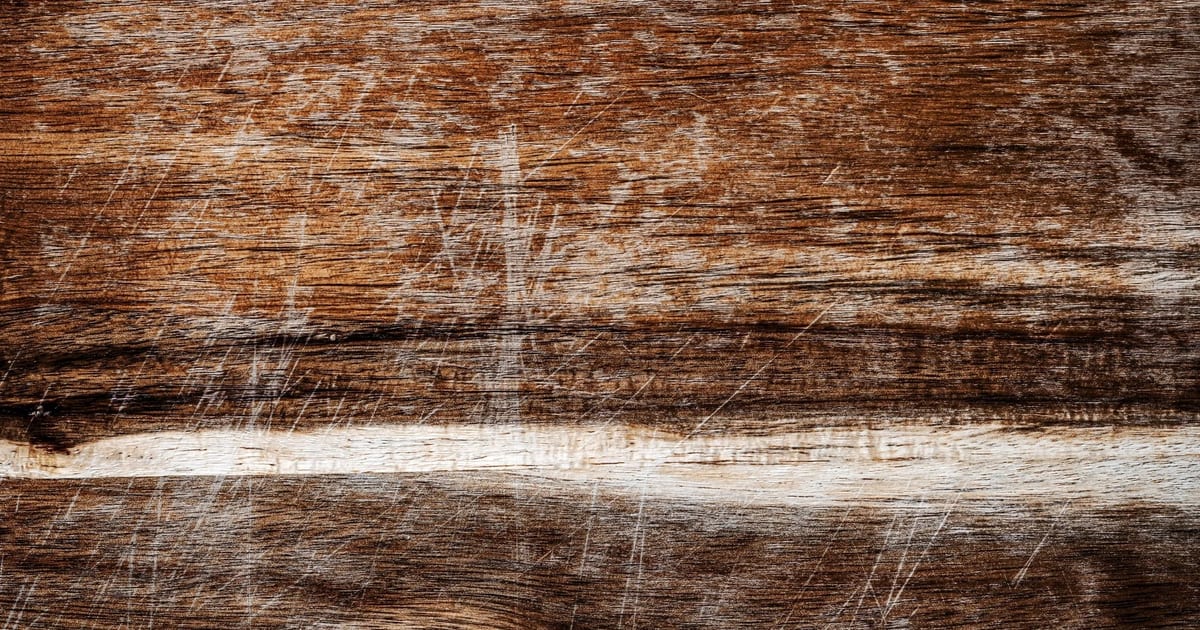
Surface scratches are normal. A few fine lines from everyday use are nothing to worry about. But when you start noticing deep gouges — scratches that catch light from across the room, or that you can feel with your fingernail — the finish has been compromised.
Once scratches cut through the finish layer and into the wood itself, moisture can enter. That leads to swelling, staining, and eventually structural damage. Refinishing at this stage removes the damaged surface and lays down a fresh protective coat before the problem spreads.
2. Dull, Lifeless Appearance That Cleaning Cannot Fix
If your floors look dull no matter how much you mop or polish them, the finish is worn out. A healthy hardwood finish reflects light evenly and gives the floor depth and warmth. When the finish breaks down, the floor looks flat and tired.
This is one of the most common reasons homeowners in Colleyville and Fort Worth call us. The floor is structurally fine — it just needs a new finish to look like itself again.
3. Gray or Black Discoloration
Gray or black staining in hardwood is a serious warning sign. It usually means moisture has been sitting on or in the wood long enough to cause oxidation or mold growth beneath the surface.
This can happen from:
- A pet accident that was not cleaned up quickly
- A slow leak under a refrigerator or dishwasher
- High humidity over an extended period
Gray boards can sometimes be sanded out and refinished, but the sooner you address them, the better your chances of saving the wood. Left too long, the boards may need to be replaced entirely.
4. Boards That Are Cupping or Warping
Cupping is when the edges of a board rise higher than the center, giving the floor a wavy, uneven feel underfoot. Warping is a more severe version of the same problem.
Both are caused by moisture imbalance — usually too much humidity on one side of the board. In Texas, this is especially common during humid summers or after flooding.
If the moisture source is addressed early, a professional can sand the floor flat and refinish it. If it is left too long, the boards may crack or separate and require replacement.
5. Finish Peeling or Flaking
Peeling finish is a clear sign that the protective layer has failed. This often happens when:
- The original finish was applied over a dirty or damp surface
- The floor was refinished without proper preparation
- The finish has simply reached the end of its lifespan (typically 7–10 years for a high-traffic area)
Peeling finish leaves the raw wood exposed and vulnerable. It also looks terrible. Refinishing removes the old finish completely and starts fresh with a properly bonded new coat.
6. Squeaky or Loose Boards
Squeaks are not always a refinishing issue — sometimes they point to subfloor problems or loose fasteners. But squeaks that develop alongside visible wear often mean the boards have dried out and contracted, creating gaps and movement.
A professional assessment can determine whether the issue is cosmetic (refinishing will help) or structural (requiring repairs before refinishing). Either way, do not ignore it. Movement in the boards accelerates wear and can lead to cracking.
7. It Has Been More Than 10 Years
Even floors that look decent benefit from refinishing every 7–10 years in high-traffic areas, or every 10–15 years in lower-traffic rooms. The finish wears down gradually — so gradually that you may not notice until it is gone.
Proactive refinishing is always cheaper than reactive repair. A fresh coat of finish protects the wood for another decade and keeps the floor looking its best.
What Happens During a Professional Refinishing?
Here is a quick overview of the process our team follows:
Sanding
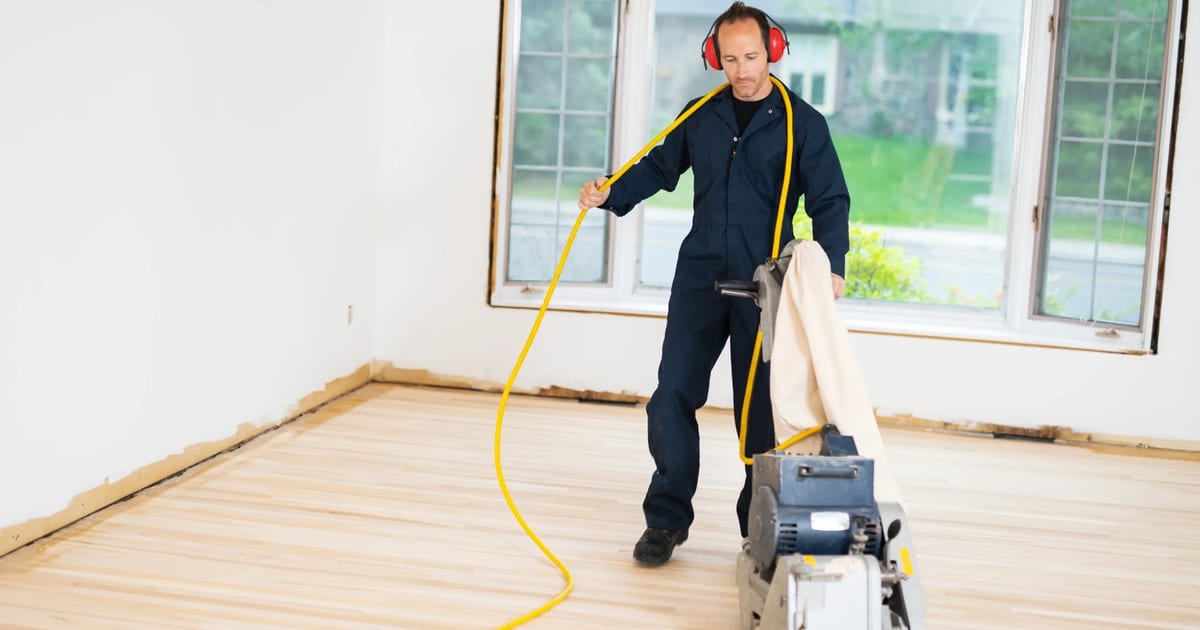
We use professional drum and edge sanders to remove the old finish and a thin layer of wood. This levels the surface, removes scratches, and opens the grain for the new finish.
Staining (Optional)
If you want to change the color of your floors — go darker, lighter, or try a new tone — staining is done after sanding and before the finish coats. This is a great opportunity to update the look of your home without replacing the floor.
Finishing
We apply multiple coats of a durable finish — oil-based polyurethane, water-based polyurethane, or hardwax oil depending on your preference and lifestyle. Each coat is lightly sanded between applications for a smooth, even result.
Curing
The finish needs time to cure fully. We will walk you through what to expect and when it is safe to move furniture back in.
How Long Does Refinishing Take?
Most residential refinishing projects take 2–4 days from start to finish, including dry time between coats. Larger homes or floors with significant damage may take longer.
We serve homeowners throughout the Dallas–Fort Worth area, including Colleyville, Fort Worth, Southlake, Grapevine, Keller, and surrounding communities.
Is Refinishing Always the Answer?
Not always. If the boards are severely damaged, extremely thin from previous refinishing, or structurally compromised, replacement may be the better investment. A professional assessment will tell you which option makes more sense for your specific floor.
As a general rule: if there is at least 3/32 of an inch of solid wood above the tongue, the floor can be refinished. Most solid hardwood floors can be refinished 4–6 times over their lifetime.
FAQ
How much does hardwood floor refinishing cost in DFW?
Refinishing costs in the Dallas–Fort Worth area typically range from $3 to $8 per square foot depending on the condition of the floor, the number of coats, and whether staining is included. We provide free estimates — contact us to get an accurate quote for your home.
Can I refinish engineered hardwood floors?
Engineered hardwood can be refinished, but only if the wear layer is thick enough — typically 2mm or more. Thinner wear layers may not survive sanding. A professional inspection will tell you whether your engineered floor is a candidate for refinishing.
How do I prepare my home for refinishing?
Remove all furniture from the rooms being refinished. Clear out breakables from nearby shelves (sanding creates vibration). Plan to stay elsewhere for at least one night while the finish cures. We will give you a full preparation checklist when you book.
How long will the new finish last?
With proper care — regular sweeping, felt pads under furniture, and avoiding excessive moisture — a professionally applied finish typically lasts 7–10 years in high-traffic areas and longer in lower-traffic rooms.
Explore Topics
Written by
DR.FLOOR Team
Content creator and writer sharing insights and stories.