How Long Does Hardwood Floor Refinishing Take? A Room-by-Room Timeline
Sanding, staining, and finishing take time — and so does drying. Here is a realistic day-by-day timeline so you can plan your project without surprises.
One of the first questions homeowners ask when they call about refinishing is: "How long will we be out of the room?" It is a fair question — refinishing means moving furniture, living around wet finish, and waiting for coats to cure before you can walk on the floor again.
The honest answer is 3–5 days for a standard room, and up to a week for larger spaces or projects that include staining. Here is what happens each day and what affects the timeline.
The Standard Refinishing Process
Hardwood floor refinishing involves three distinct phases: sanding, staining (optional), and finishing. Each phase has its own drying or curing requirement, and you cannot rush the chemistry.
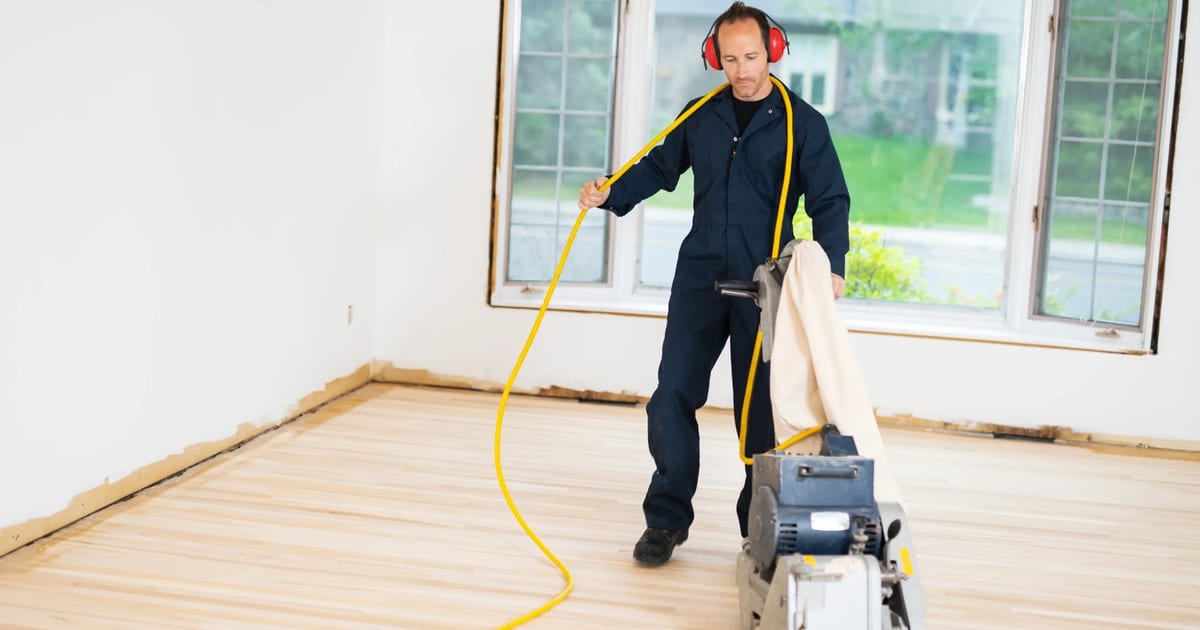
Day 1: Furniture Removal and Sanding
The project starts with clearing the room completely — furniture, rugs, and any items that cannot tolerate fine wood dust. Baseboards may be removed or protected with tape depending on the installation.
Sanding happens in multiple passes:
- Coarse grit removes the old finish and levels the surface
- Medium grit removes the scratches left by the coarse pass
- Fine grit smooths the surface for finishing
- Edge sanding handles the perimeter that the drum sander cannot reach
- Hand scraping or detail work addresses corners and closets
A standard 300–400 square foot room takes a full day to sand properly. Larger open-plan spaces may require two days of sanding.
Day 2: Staining (If Applicable)
If you are keeping the natural wood color, staining is skipped and you move directly to finish coats. If you want a custom color — anything from a light natural to a dark espresso — stain is applied after sanding.
Stain must dry completely before the first finish coat goes down. Drying time depends on the stain type and the ambient temperature and humidity in your home. In DFW summers with air conditioning running, most stains dry in 8–12 hours. In cooler or more humid conditions, allow 24 hours.
Important: the color you see on a stain chip or sample board will look different on your actual floor. Species, grain pattern, and the porosity of the sanded surface all affect how stain absorbs. A professional will apply a test patch in an inconspicuous area before committing to the full floor.
Day 3: First Finish Coat
The first coat of finish — typically a waterborne or oil-modified polyurethane — goes down after sanding and staining are complete. This coat soaks into the wood and provides the foundation for subsequent coats.
After the first coat dries, the floor is lightly screened (abraded with a fine screen) to knock down any raised grain or dust nibs. This step is critical for a smooth final result.
Dry time: 2–4 hours for waterborne finish, 8–12 hours for oil-modified. Most professionals apply the first coat in the morning and screen in the afternoon.
Day 4: Second Finish Coat
The second coat builds the protective film. Same process: apply, allow to dry, screen lightly.
For most residential projects, two finish coats after the sealer coat are standard. High-traffic areas — entryways, kitchens, hallways — benefit from a third coat.
Day 5: Final Coat and Initial Cure
The final coat goes down without screening afterward. This is the coat you will see and walk on.
Initial cure (light foot traffic): 24 hours for waterborne finish, 48–72 hours for oil-modified. You can walk on the floor in socks after this period, but no furniture, no rugs, and no shoes.
Full cure: 7–14 days for waterborne, 30 days for oil-modified. During this period, the finish is still hardening. Avoid dragging furniture, placing rugs, or cleaning with anything other than a dry or barely damp mop.
Timeline Summary
| Day | Activity | Notes |
|---|---|---|
| Day 1 | Furniture removal, full sanding | Dusty — plan to be out of the room |
| Day 2 | Staining (if applicable) | Skip if keeping natural color |
| Day 3 | First finish coat + screening | Light chemical odor |
| Day 4 | Second finish coat + screening | |
| Day 5 | Final finish coat | No foot traffic for 24 hours |
| Days 6–7 | Light foot traffic (socks only) | No furniture or rugs yet |
| Days 7–30 | Full cure | Avoid rugs, heavy furniture until fully cured |
What Makes a Project Take Longer
Large or Open-Plan Spaces
A 1,200 square foot open-plan kitchen, dining, and living area takes longer to sand than a single bedroom. Expect an extra day of sanding for every 400–500 square feet beyond the first room.
Multiple Rooms
Each room transition — doorways, hallways, connecting spaces — adds time for edge work and blending. A whole-home refinishing project covering 1,500–2,000 square feet typically takes 5–7 days.
Significant Damage or Deep Scratches
Floors with deep gouges, pet stains, or cupping require more aggressive sanding passes and sometimes spot repairs before the main sanding begins. This adds time and may affect whether the floor can be fully restored.
Dark Stain Colors
Dark stains — ebony, dark walnut, jacobean — require more careful application and longer dry times than lighter stains. They also show sanding marks more readily, so the sanding phase must be more thorough.
Oil-Modified vs. Waterborne Finish
Oil-modified polyurethane produces a warm amber tone and is extremely durable, but it takes significantly longer to dry between coats and has a stronger odor during application. Waterborne finish dries faster, has less odor, and stays clear (no amber tint), but costs slightly more. Most DFW homeowners choose waterborne for its faster return-to-use timeline.
Can You Stay in the House During Refinishing?
For a single room, yes — with some planning. The room being refinished needs to be completely vacated, and dust containment measures (plastic sheeting over doorways) help keep the rest of the house livable.
For whole-home projects, most families find it easier to stay elsewhere for the sanding days (Day 1–2), when dust is heaviest, and return once the finish coats begin. The finish odor with waterborne products is manageable; oil-modified finish has a stronger smell that some people find uncomfortable.
Buffing and Recoat vs. Full Refinishing
If your floors are in good shape but have lost their sheen, a screen and recoat (also called buff and recoat) is a faster and less expensive option. This process skips the sanding phase entirely — the existing finish is lightly abraded and a new topcoat is applied. It takes 1–2 days and the floor is ready for light traffic within 24 hours.
Screen and recoat works only if the existing finish is intact and adhering well. If the finish is peeling, worn through to bare wood, or the floor has significant scratches or stains, full refinishing is necessary.
Frequently Asked Questions
Can I sleep in the house while my floors are being refinished? For waterborne finish projects, most people can sleep in other rooms of the house after the first day of sanding. Oil-modified finish has a stronger odor; some families prefer to stay elsewhere for the first 2–3 days.
How soon can I put furniture back? Light furniture (chairs, small tables) can go back after 72 hours with felt pads on all legs. Heavy furniture (sofas, beds, dining tables) should wait 7 days. Area rugs should wait the full 30-day cure period.
How often does hardwood need to be refinished? In a typical DFW home, hardwood floors need refinishing every 7–15 years depending on traffic, maintenance, and the original finish quality. Entryways and kitchens wear faster than bedrooms.
Does DR.FLOOR offer dust containment during refinishing? Yes. We use dustless sanding equipment and containment measures to minimize dust spread throughout your home.
Explore Topics
Written by
DR.FLOOR Team
Content creator and writer sharing insights and stories.