LVP Flooring: The Complete Guide for DFW Homeowners
Luxury vinyl plank is the fastest-growing flooring choice in Dallas–Fort Worth. Here is everything you need to know before you buy and install it.
If you have been shopping for new floors in the Dallas–Fort Worth area, you have probably noticed that luxury vinyl plank (LVP) is everywhere right now — and for good reason. It looks like real hardwood, handles Texas humidity without warping, and costs significantly less than solid wood. But not all LVP is created equal, and a bad installation can ruin even the best product.
This guide covers everything you need to know before you commit: what LVP actually is, how it compares to other flooring options, what to look for when buying, and what a professional installation looks like from start to finish.
What Is Luxury Vinyl Plank Flooring?
LVP is a multi-layer synthetic flooring product engineered to mimic the look and feel of real hardwood. A typical plank has four layers:
- Wear layer — a clear protective coating that resists scratches, scuffs, and stains
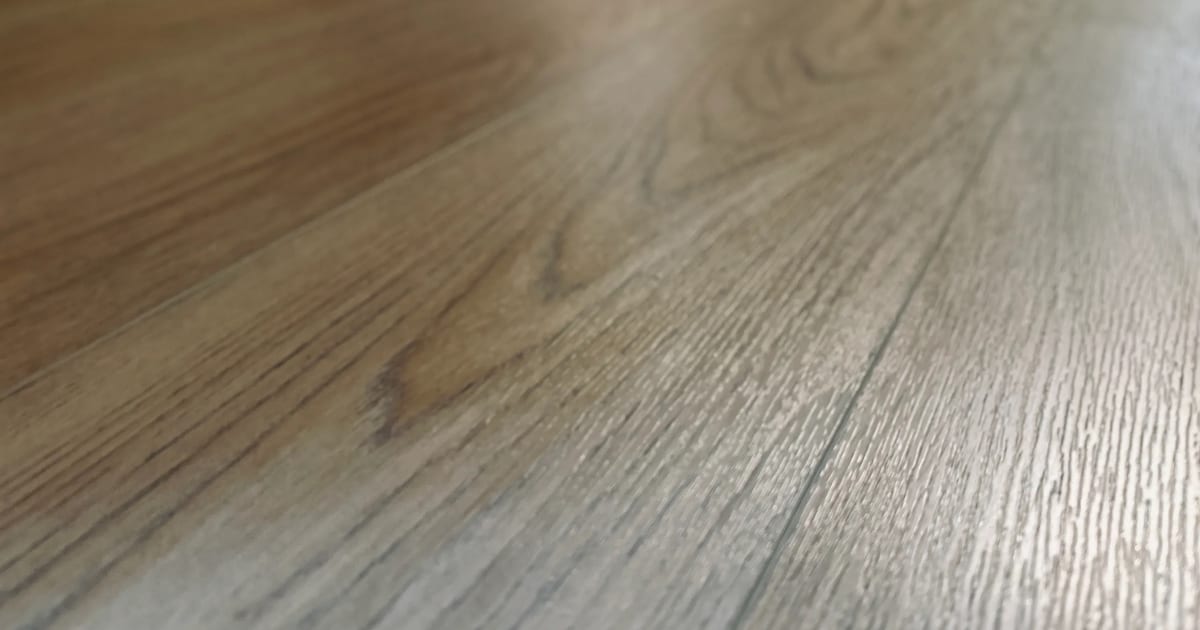
- Design layer — a high-resolution photographic print of wood grain
- Core layer — rigid or semi-rigid vinyl that gives the plank its stability
- Backing layer — a foam or cork underlayment that cushions underfoot and reduces sound
The result is a floor that photographs almost identically to hardwood but is 100% waterproof and far more forgiving in high-traffic areas.
LVP vs. Hardwood vs. Laminate: Which Is Right for You?
This is the question we hear most often at DR.FLOOR. Here is a straightforward comparison:
Luxury Vinyl Plank
- Waterproof: Yes — safe in bathrooms, kitchens, and laundry rooms
- Durability: Excellent for families with kids and pets
- Refinishable: No — when it wears out, it must be replaced
- Lifespan: 15–25 years with proper care
- Cost in DFW: $4–$9 per square foot installed
Solid Hardwood
- Waterproof: No — moisture causes warping and cupping
- Durability: Good, but scratches more easily than LVP
- Refinishable: Yes — can be sanded and refinished 3–5 times
- Lifespan: 50–100 years with refinishing
- Cost in DFW: $8–$16 per square foot installed
Laminate
- Waterproof: Depends on the product — most are water-resistant, not waterproof
- Durability: Good, but the surface can chip at edges
- Refinishable: No
- Lifespan: 10–20 years
- Cost in DFW: $3–$7 per square foot installed
The bottom line: If you have pets, young children, or any moisture-prone areas, LVP is usually the smartest choice. If you want a floor that can be refinished and potentially last a lifetime, solid hardwood is worth the investment.
What to Look for When Buying LVP
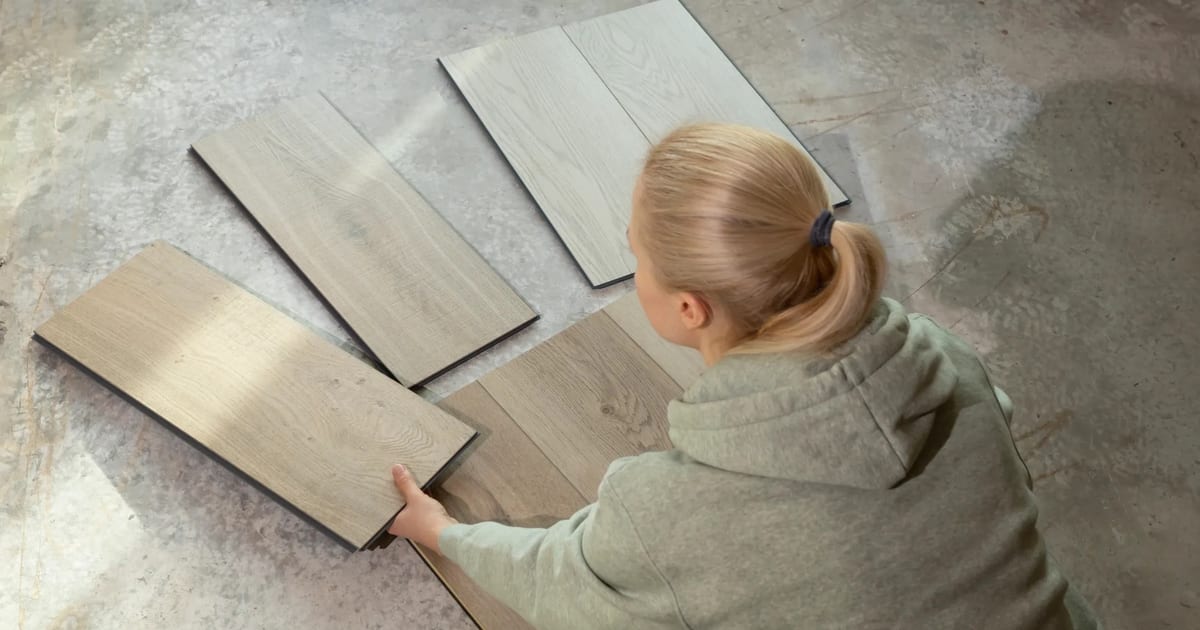
Walk into any flooring store and you will find LVP at every price point. Here is how to tell the difference between a quality product and one that will disappoint you in two years.
Wear Layer Thickness
The wear layer is the clear coating on top that protects the design layer from scratches and scuffs. It is measured in mils (thousandths of an inch):
- 6 mil: Suitable for low-traffic areas and rentals
- 12 mil: Good for most residential applications
- 20 mil: Ideal for high-traffic homes with pets and kids
- 28 mil+: Commercial-grade; overkill for most homes but extremely durable
For a typical DFW family home, we recommend at least 12 mil. If you have large dogs, go to 20 mil.
Core Type: SPC vs. WPC
You will see two core types on the market:
- SPC (Stone Plastic Composite): Denser and more rigid. Better for areas with temperature fluctuations — important in Texas where homes can swing from air-conditioned cool to summer heat.
- WPC (Wood Plastic Composite): Softer underfoot and quieter. Better for bedrooms and living areas where comfort matters more than rigidity.
Plank Width and Length
Wider and longer planks look more like real hardwood and make rooms feel larger. Standard planks run 5–7 inches wide; premium products go up to 9 inches. For open-concept DFW homes, we typically recommend 7-inch or wider planks.
Attached Underlayment
Many LVP products come with a thin foam underlayment pre-attached to the back. This is convenient and reduces installation time, but it also means you cannot add a thicker aftermarket underlayment for extra sound dampening. If noise reduction is a priority — especially in two-story homes — discuss this with your installer before purchasing.
The Installation Process: What to Expect
A professional LVP installation is a multi-step process that takes one to two days for most DFW homes. Here is what happens from start to finish.
1. Subfloor Inspection and Preparation
This is the step that separates a great installation from a problematic one. The subfloor must be:
- Flat: No more than 3/16 inch variation over 10 feet. High spots are ground down; low spots are filled with leveling compound.
- Dry: Moisture readings must be within acceptable limits. In DFW, this is especially important in slab-on-grade homes where moisture can wick up from the concrete.
- Clean: All debris, adhesive residue, and old staples must be removed.
Skipping proper subfloor prep is the number one cause of LVP failures — clicking joints, hollow spots, and planks that separate at the seams.
2. Acclimation
Quality LVP needs to acclimate to your home's temperature and humidity for 24–48 hours before installation. The boxes are opened and the planks are laid flat in the room where they will be installed. This step is often skipped by budget installers, and it leads to expansion and contraction problems after installation.
3. Layout Planning
Before the first plank goes down, your installer should plan the layout to ensure:
- Rows run parallel to the longest wall or the primary light source
- The first and last rows are at least 2 inches wide (no slivers)
- Seams are staggered by at least 6 inches between rows
- Transitions to other flooring types are planned
4. Installation
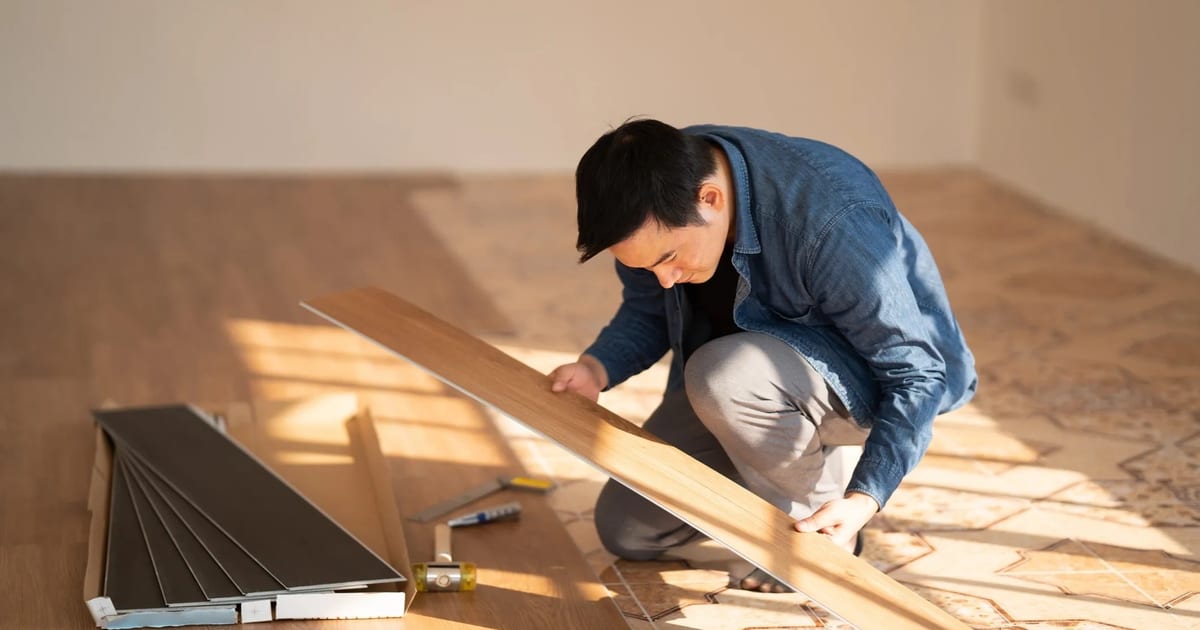
Most LVP uses a floating click-lock system — planks snap together without glue or nails. The floor "floats" over the subfloor with a small expansion gap around the perimeter (typically 1/4 inch) to allow for seasonal movement.
In some applications — particularly over radiant heat or in very large rooms — a full-spread adhesive installation is recommended for added stability.
5. Trim and Transitions
Baseboards and quarter-round molding cover the expansion gap around the perimeter. Transition strips connect the LVP to adjacent flooring in doorways. These finishing details make a significant difference in the final appearance.
Common LVP Installation Mistakes
Even with a quality product, a poor installation will cause problems. Watch out for these red flags:
- No subfloor prep: Skipping leveling leads to hollow spots and clicking underfoot
- No acclimation period: Planks expand after installation, causing buckling
- Insufficient expansion gap: The floor has nowhere to move and buckles in summer heat
- Mismatched transitions: Cheap or wrong-size transition strips look unprofessional and can be a trip hazard
- Improper stagger: Short seam staggering creates a weak point and looks unnatural
How to Care for Your LVP Floor
LVP is low-maintenance, but a few habits will keep it looking great for decades:
- Sweep or vacuum regularly to prevent grit from scratching the wear layer
- Mop with a damp (not wet) mop and a pH-neutral cleaner — avoid steam mops, which can damage the adhesive in the core
- Use felt pads under furniture legs to prevent indentation
- Place doormats at all exterior entries to catch dirt and grit before it reaches the floor
- Keep pet nails trimmed — even a 20-mil wear layer is not immune to sharp claws over time
Is LVP Right for Your DFW Home?
LVP is an excellent choice for most Dallas–Fort Worth homes, especially given our climate. The combination of waterproofing, durability, and realistic wood appearance makes it hard to beat at its price point.
That said, it is not the right choice for every situation. If you have existing hardwood that is in good structural condition, refinishing it will almost always give you a better result than covering it with LVP. And if you are building a forever home and want a floor that can be refinished multiple times over decades, solid hardwood is still the gold standard.
Not sure which direction to go? We offer free in-home estimates throughout the DFW Metroplex. We will look at your existing floors, discuss your goals and budget, and give you an honest recommendation — whether that means LVP, hardwood, or something else entirely.
Explore Topics
Written by
DR.FLOOR Team
Content creator and writer sharing insights and stories.