How to Care for Hardwood Floors: A Room-by-Room Guide
Hardwood floors are a long-term investment. The right daily habits and seasonal maintenance will keep them looking beautiful for decades — here is exactly what to do.
Hardwood floors are one of the best investments you can make in a DFW home. They add warmth, character, and real resale value — but only if they are properly maintained. The good news is that caring for hardwood is not complicated. A few consistent habits will protect your floors for decades and delay the need for a full refinish by years.
This guide breaks down exactly what to do in each room of your home, what products to use (and which ones to avoid), and how to handle the seasonal challenges that come with living in North Texas.
The Basics: What Damages Hardwood Floors
Before getting into room-specific advice, it helps to understand what actually causes hardwood to deteriorate:
- Grit and sand: Tiny particles act like sandpaper underfoot, scratching the finish with every step
- Standing water: Wood absorbs moisture and swells, causing cupping, warping, and finish failure
- Sunlight: UV rays fade and discolor wood over time, especially near south- and west-facing windows
- Humidity swings: North Texas summers are humid; winters with forced-air heat are dry. These swings cause wood to expand and contract, eventually opening gaps between boards
- Harsh cleaners: Ammonia, bleach, and oil-based soaps strip the finish and leave residue that dulls the surface
Understanding these enemies makes every care decision easier.
Daily and Weekly Habits
Sweep or Dust Mop Every Day in High-Traffic Areas
This is the single most important thing you can do for your hardwood floors. Grit tracked in from outside is abrasive — every footstep grinds it into the finish. A quick pass with a microfiber dust mop takes two minutes and prevents years of premature wear.
Use a microfiber mop rather than a traditional broom. Brooms push debris around; microfiber traps it.
Vacuum Weekly (With the Right Attachment)
A vacuum picks up what a dust mop misses — pet hair, fine dust, and debris in the grain. Use the hard floor setting or a bare-floor attachment. Never use a beater bar or rotating brush on hardwood — it will scratch the finish.
Damp Mop as Needed — Not on a Schedule
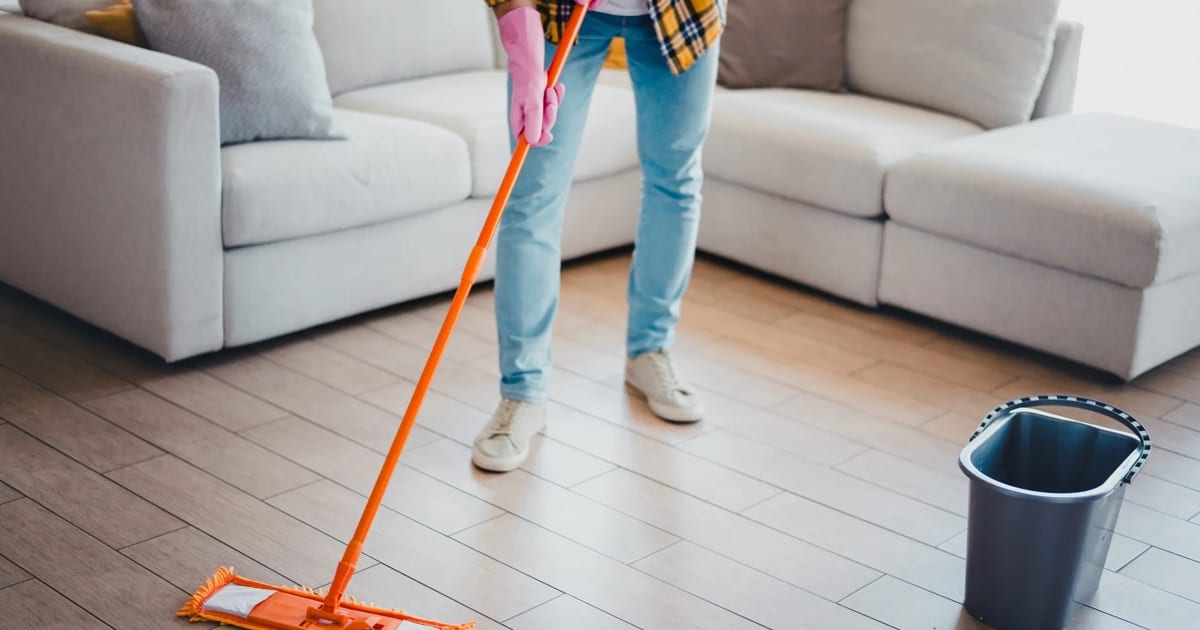
Hardwood does not need to be mopped on a fixed schedule. Mop when the floor looks dull or feels sticky, not every week. When you do mop:
- Use a barely damp mop — wring it out until it is almost dry
- Use a pH-neutral hardwood floor cleaner (Bona, Method, or your flooring manufacturer's recommended product)
- Never use a steam mop — the heat and moisture penetrate the finish and can cause irreversible damage
- Never use vinegar — it is acidic and will dull the finish over time despite what you may have read online
Dry the floor immediately after mopping. No standing water, ever.
Room-by-Room Guide
Living Room and Dining Room
These are typically the easiest rooms to maintain because they see foot traffic but not moisture.
Key habits:
- Place felt pads under all furniture legs and replace them annually — they compress and lose effectiveness over time
- Use area rugs in high-traffic paths (hallways, in front of sofas) to reduce wear on the finish
- Rotate rugs and furniture periodically to ensure even sun exposure and wear patterns
- Use window treatments on south- and west-facing windows during peak sun hours
Watch out for: Dining chairs are particularly hard on floors. Chair legs drag across the surface with every meal. Felt pads are essential, and a rug under the dining table is one of the best investments you can make.
Kitchen
Kitchens are the most challenging room for hardwood because of water, grease, and heavy foot traffic. Many homeowners choose LVP or tile for kitchens for this reason — but hardwood can absolutely work with the right precautions.
Key habits:
- Place a mat in front of the sink and dishwasher — these are the two highest-risk spots for water damage
- Wipe up spills immediately, every time, without exception
- Use a mat at the exterior door entry to catch dirt and moisture
- Check under the refrigerator and dishwasher annually for slow leaks
Watch out for: Ice maker lines and dishwasher connections are a common source of slow leaks that go unnoticed for months. By the time you see the damage, the subfloor may be affected as well. Annual checks take five minutes and can save thousands in repairs.
Bedrooms
Bedrooms are generally the gentlest environment for hardwood — low traffic, no moisture, and minimal grit.
Key habits:
- Place a rug beside the bed to reduce wear in the spot where you step every morning
- Use felt pads under bed frames and dresser legs
- Keep closet doors closed to prevent dust accumulation on the floor
Watch out for: Rolling desk chairs and office chairs are surprisingly destructive. If you have a desk in the bedroom, use a chair mat or switch to a chair with soft rubber wheels designed for hard floors.
Entryways and Mudrooms
The entry is where the most damage originates — every particle of grit, sand, and moisture that damages your floors comes in through the front door.
Key habits:
- Use a high-quality exterior mat outside the door to scrape shoes
- Use a second mat inside the door to catch what the exterior mat misses
- Establish a shoes-off policy if possible — this single habit reduces floor wear dramatically
- Sweep or vacuum the entry daily
Watch out for: In DFW, summer thunderstorms can dump significant water near entryways. Check that your exterior mat drains properly and does not hold standing water against the door threshold.
Bathrooms
Most flooring professionals advise against hardwood in full bathrooms — the combination of standing water, humidity spikes from showers, and toilet condensation creates conditions that hardwood struggles with long-term. If you have hardwood in a bathroom, the maintenance requirements are significantly higher:
- Wipe up water immediately after every shower or bath
- Run the exhaust fan during and for 15 minutes after every shower
- Check the toilet base and supply line annually for slow leaks
- Seal the floor more frequently than other rooms
If you are remodeling a bathroom, consider LVP or tile instead.
Seasonal Maintenance in North Texas
DFW's climate creates specific challenges that homeowners in other parts of the country do not face.
Summer: Managing Humidity
North Texas summers bring high humidity that causes wood to expand. Signs of excessive moisture include:
- Boards cupping (edges higher than the center)
- Squeaking in areas that were previously quiet
- Gaps closing between boards
What to do: Run your air conditioning consistently — not just when it feels hot, but to maintain stable indoor humidity. The ideal range for hardwood floors is 35–55% relative humidity. A whole-home humidistat can help you monitor this.
Winter: Managing Dryness
Forced-air heating in winter drops indoor humidity dramatically, causing wood to contract and gaps to open between boards. Small seasonal gaps (up to 1/8 inch) are normal and will close when humidity returns in spring. Larger gaps may indicate a more serious issue.
What to do: Use a humidifier during heating season to keep indoor humidity above 35%. Portable room humidifiers work, but a whole-home humidifier connected to your HVAC system is more effective and requires less maintenance.
Spring and Fall: Transition Seasons
These are the best times for a thorough cleaning and inspection:
- Inspect the finish for worn areas, especially in high-traffic paths
- Check for any boards that have started to cup, crack, or separate
- Clean thoroughly with a hardwood-specific cleaner
- Consider a maintenance coat (also called a screen and recoat) if the finish looks dull but the wood itself is in good shape — this is far less expensive than a full refinish
When to Call a Professional
Good maintenance extends the life of your finish significantly, but eventually every hardwood floor needs professional attention. Here are the signs:
Schedule a maintenance coat (screen and recoat) when:
- The finish looks dull even after cleaning
- Water no longer beads on the surface
- You can see light scratches in the finish but the wood itself is not damaged
Schedule a full refinish when:
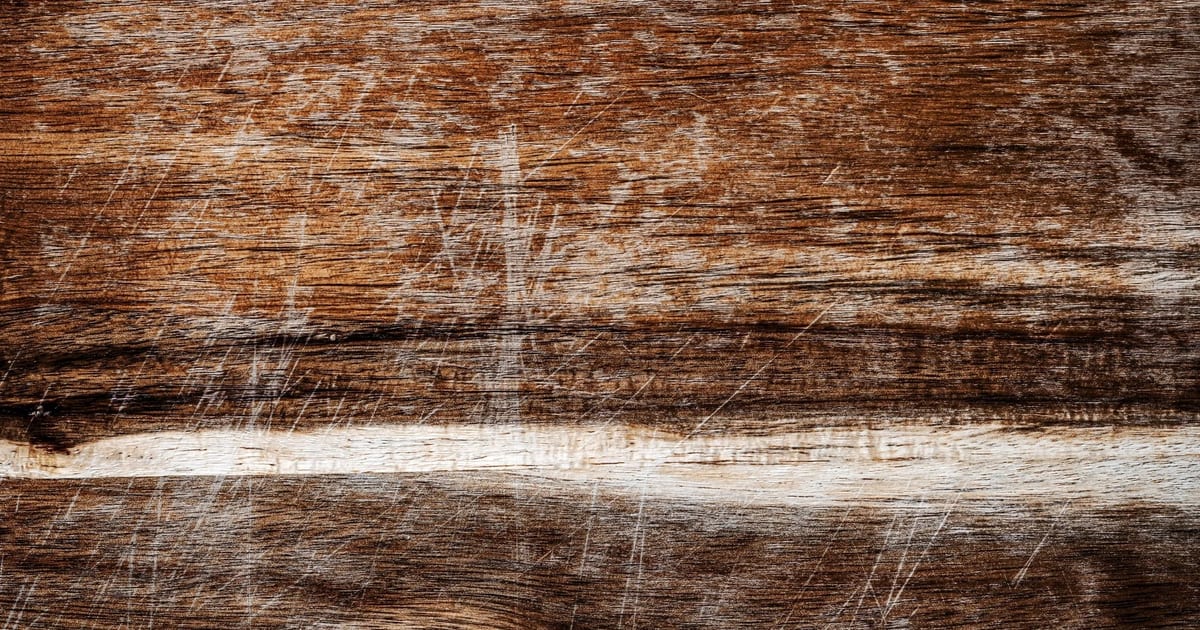
- You can see scratches that go through the finish into the wood
- There are gray or black stains (signs of moisture damage)
- The floor has been recoated multiple times and the finish is uneven
- You want to change the stain color
Schedule a repair consultation when:
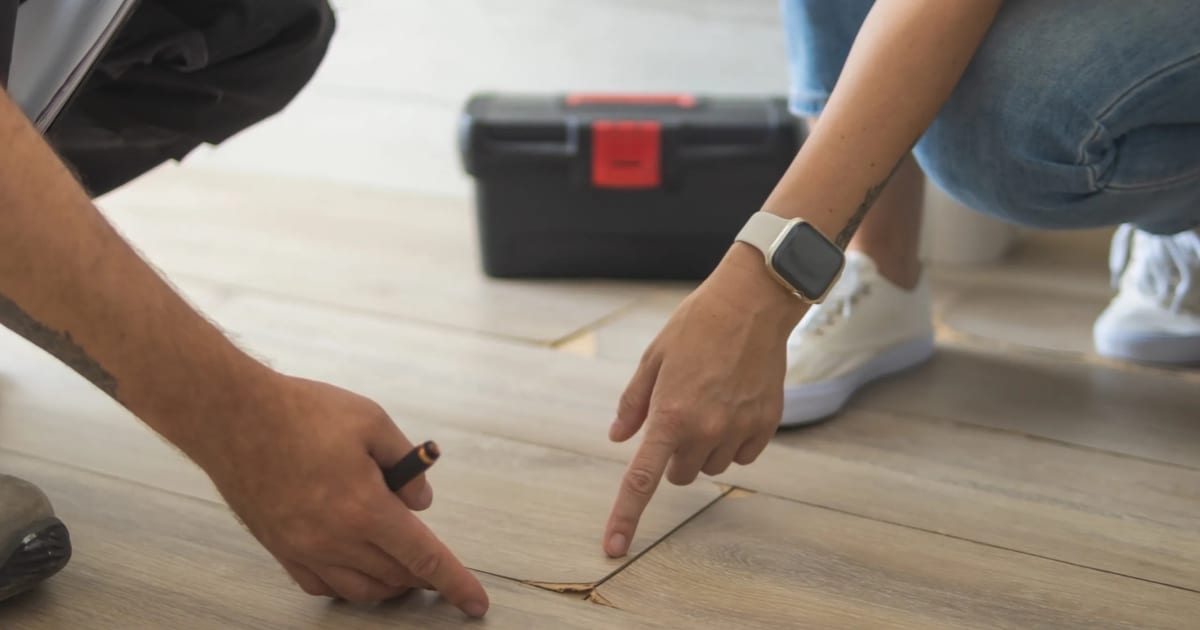
- Individual boards are cupping, cracking, or separating significantly
- You have soft spots that indicate subfloor damage
- You have water damage from a leak
At DR.FLOOR, we offer free in-home assessments throughout the DFW Metroplex. If you are not sure whether your floors need a maintenance coat, a full refinish, or just a good cleaning, we are happy to take a look and give you an honest answer.
The Bottom Line
Caring for hardwood floors is not complicated — it is mostly about consistency. Sweep regularly, clean up spills immediately, protect the surface from furniture and grit, and manage your home's humidity. Do those things, and your floors will look beautiful for decades.
When the time comes for professional refinishing or repair, the difference between a floor that refinishes beautifully and one that needs to be replaced often comes down to how well it was maintained in the years before.
Explore Topics
Written by
DR.FLOOR Team
Content creator and writer sharing insights and stories.