Best Flooring for Texas Homes: Heat, Humidity, and What Actually Holds Up
Texas heat, slab foundations, and active households put flooring to the test. Here is what performs best in DFW homes — and what to avoid.
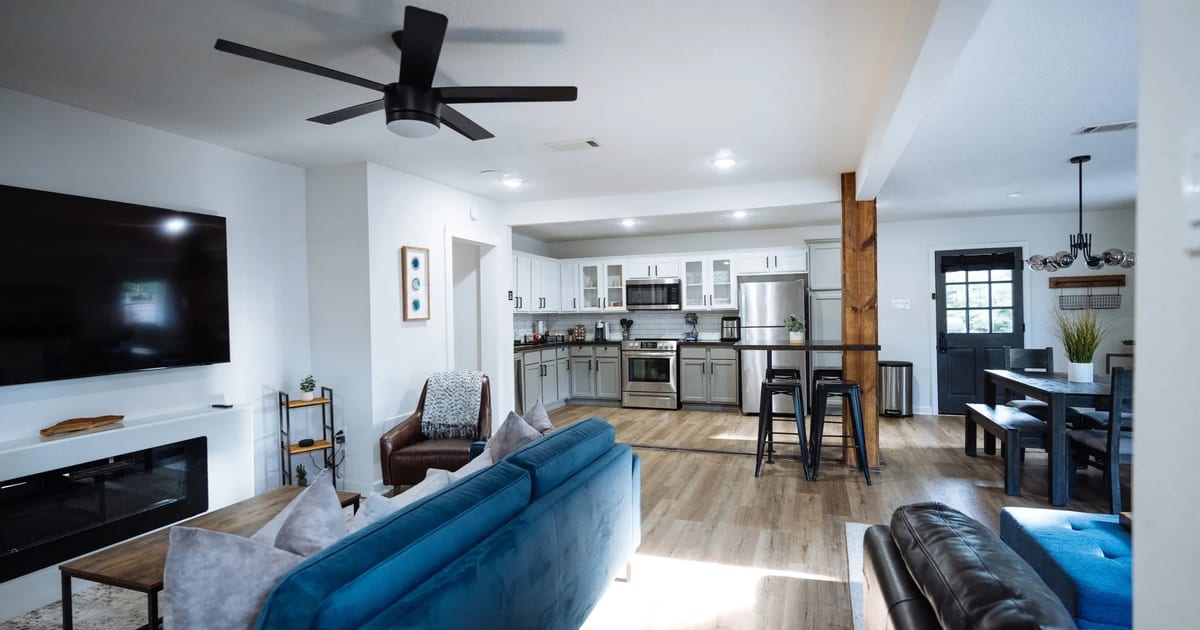
Flooring that performs beautifully in Seattle or Chicago can fail in a Texas home. The DFW climate — hot summers, mild winters, humidity that swings from 20% to 80% depending on the season, and the prevalence of slab-on-grade foundations — creates a specific set of demands that not every flooring product is built to handle.
This guide covers the most popular flooring options for North Texas homes, how each performs in our climate, and which rooms each is best suited for.
The DFW Climate Challenge
Before getting into specific products, it helps to understand what Texas puts flooring through:
Temperature extremes. DFW summers regularly hit 100°F+, and while your home's interior stays cooler, the temperature differential between a climate-controlled interior and a sun-baked slab can stress flooring materials — particularly those that expand and contract with temperature changes.
Humidity swings. Indoor humidity in a DFW home can range from 20–25% in a dry July (with aggressive air conditioning) to 60–70% in a wet spring if the home is not well-sealed. Wood-based flooring products are sensitive to this range.
Slab foundations. The vast majority of DFW homes built after the 1970s sit on concrete slabs rather than wood-frame crawl spaces. Concrete holds moisture, which limits which flooring products can be installed directly over it.
Active households. Texas families tend to spend time outdoors and track in dirt, sand, and debris. Pet ownership is high. Flooring needs to be durable as well as attractive.
Flooring Options Ranked for DFW
1. Luxury Vinyl Plank (LVP) — Best All-Around for Most DFW Homes
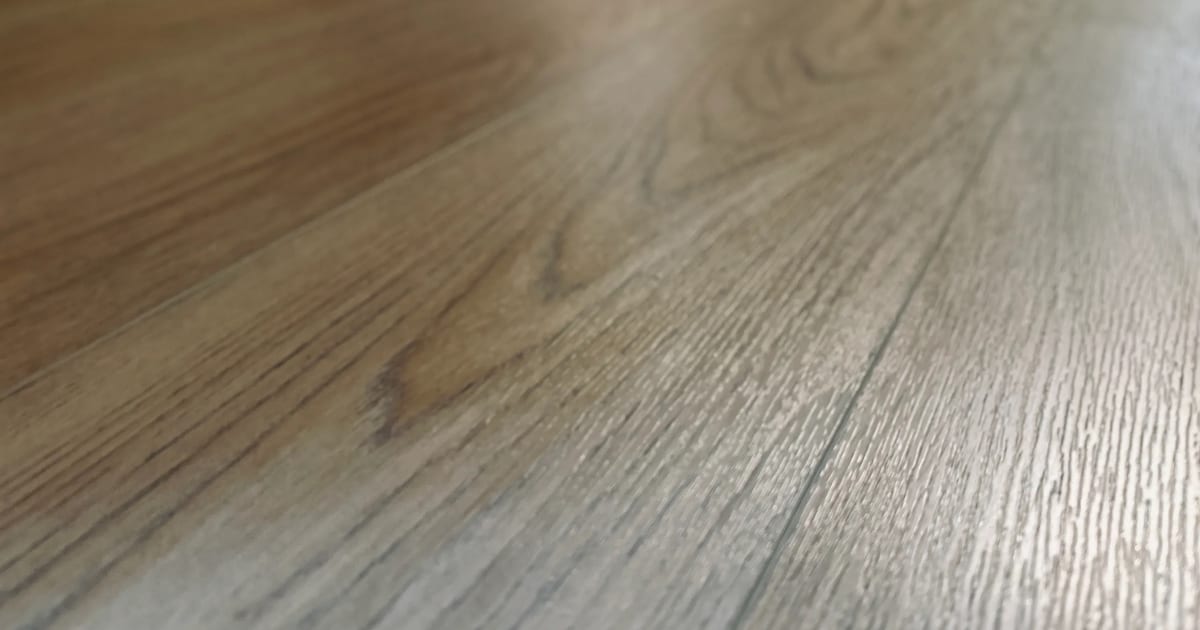
LVP has become the dominant flooring choice in new DFW construction and remodels for good reason. It is 100% waterproof, dimensionally stable in temperature and humidity swings, comfortable underfoot, and available in realistic wood and stone looks that rival the real thing.
Why it works in Texas:
- Completely waterproof — no concern about slab moisture
- Stable in temperature swings — does not expand or contract significantly
- Durable wear layer resists scratches from pets and furniture
- Can be installed over concrete without a vapor barrier (check manufacturer specs)
- Lower cost than hardwood with similar visual impact
Best rooms: everywhere — kitchens, bathrooms, living areas, bedrooms, laundry rooms, mudrooms
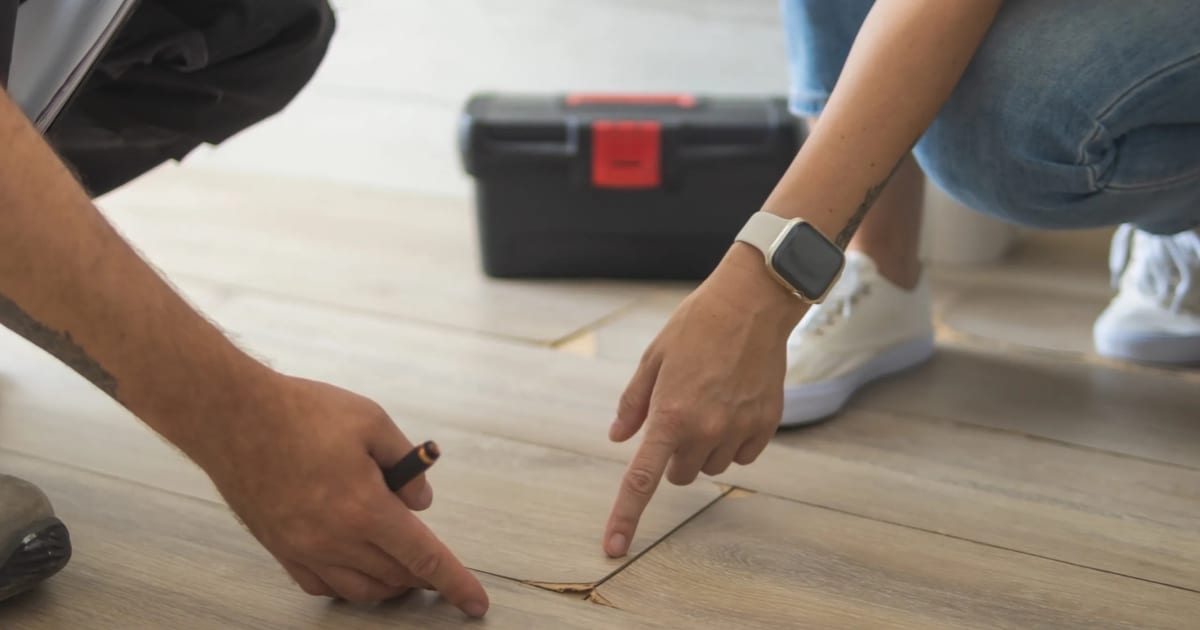
Limitations: Cannot be refinished. If the wear layer is scratched through, the plank must be replaced. Quality varies significantly — a 12-mil wear layer is the minimum for residential use; 20-mil is better for high-traffic areas.
2. Engineered Hardwood — Best Real Wood Option for DFW
For homeowners who want the warmth and authenticity of real wood, engineered hardwood is the right choice for most DFW homes. Its plywood core resists the humidity swings that cause solid hardwood to cup or gap, and it can be installed directly over concrete with a moisture-controlling adhesive.
Why it works in Texas:
- Real wood surface — same appearance as solid hardwood
- Plywood core resists expansion and contraction
- Can be installed over concrete slab with proper vapor barrier
- Can be refinished 1–2 times (thick veneer products)
- Adds real value at resale
Best rooms: living areas, bedrooms, dining rooms, home offices
Limitations: Not fully waterproof — spills should be cleaned up promptly. Not ideal for bathrooms or laundry rooms. Thinner-veneer products cannot be refinished.
3. Solid Hardwood — Best for Above-Grade Rooms with Wood Subfloors
Solid hardwood is the gold standard for longevity and refinishing potential, but it requires the right conditions. In DFW, that means an above-grade installation over a wood subfloor with consistent indoor humidity control.
Why it works in Texas (with the right conditions):
- Can be sanded and refinished many times over its life
- Highest resale value of any flooring type
- Authentic warmth and character that improves with age
Best rooms: bedrooms, formal living rooms, studies — above-grade only
Limitations: Cannot be installed over concrete. Requires consistent indoor humidity (35–55%). More sensitive to moisture than engineered or LVP. Not recommended for kitchens, bathrooms, or laundry rooms.
4. Laminate — Budget-Friendly but with Limitations in Texas
Laminate flooring offers a wood look at a lower price point than hardwood or LVP. It is made from a high-density fiberboard core with a photographic layer and a clear wear layer on top.
Why some DFW homeowners choose it:
- Lower upfront cost than hardwood or LVP
- Scratch-resistant surface
- Wide range of styles and colors
Limitations in Texas:
- Not waterproof — the HDF core swells when exposed to moisture, which is a real risk in Texas humidity swings and on slab foundations
- Cannot be refinished
- Hollow sound underfoot without a quality underlayment
- Lower resale value than hardwood or LVP
Laminate is a reasonable choice for low-moisture above-grade rooms on a tight budget, but LVP has largely replaced it in the DFW market because LVP is waterproof, more durable, and similarly priced.
5. Tile — Best for Wet Areas and High-Heat Zones
Porcelain and ceramic tile are the right choice for bathrooms, laundry rooms, and mudrooms — anywhere that sees regular water exposure. Large-format porcelain tile (24×24 or larger) has also become popular in DFW living areas and kitchens for its clean, modern look.
Why it works in Texas:
- Completely waterproof
- Stays cool underfoot — a genuine comfort advantage in Texas summers
- Extremely durable and easy to clean
- Works well over concrete slab
Best rooms: bathrooms, laundry rooms, mudrooms, kitchens, covered patios
Limitations: Hard and cold underfoot in living areas. Grout requires maintenance. Cracked tiles are difficult to replace seamlessly. Not installed by DR.FLOOR — we focus on wood and wood-look flooring.
Room-by-Room Recommendations for DFW Homes
| Room | First Choice | Second Choice | Avoid |
|---|---|---|---|
| Living room | Engineered hardwood | LVP | Laminate (moisture risk) |
| Kitchen | LVP | Tile | Solid hardwood, laminate |
| Master bedroom | Solid or engineered hardwood | LVP | — |
| Kids' bedrooms | LVP | Engineered hardwood | — |
| Bathrooms | Tile | LVP | Hardwood, laminate |
| Laundry room | LVP | Tile | Hardwood, laminate |
| Mudroom / entryway | LVP | Tile | Hardwood, laminate |
| Home office | Engineered hardwood | LVP | — |
| Staircase | Solid or engineered hardwood | LVP | Laminate |
What About Carpet?
Carpet is not covered in this guide because DR.FLOOR specializes in hard-surface flooring. That said: carpet remains popular in DFW bedrooms for its softness and sound absorption. If you are replacing carpet in living areas, any of the hard-surface options above will be an upgrade in durability and ease of cleaning.
The Bottom Line for DFW Homeowners
For most DFW homes — especially those on slab foundations — LVP is the most practical choice for high-traffic and moisture-prone areas, and engineered hardwood is the best option when you want real wood in living areas and bedrooms. Solid hardwood is the right choice for above-grade rooms where you want maximum longevity and refinishing potential.
The best way to make the right call is to see samples in your actual home, under your lighting, against your walls and cabinets. DR.FLOOR brings samples to your home as part of our free estimate process.
Frequently Asked Questions
Does hardwood flooring add value to a DFW home? Yes. Real hardwood — both solid and engineered — consistently ranks among the top flooring choices for resale value in the North Texas market. LVP also adds value relative to carpet, though not as much as hardwood.
Is LVP as good as hardwood? LVP is better than hardwood in some ways (waterproof, more stable, lower cost) and worse in others (cannot be refinished, does not have the same warmth or authenticity). For most DFW homeowners, the right answer is LVP in high-traffic and moisture-prone areas and hardwood in living areas and bedrooms.
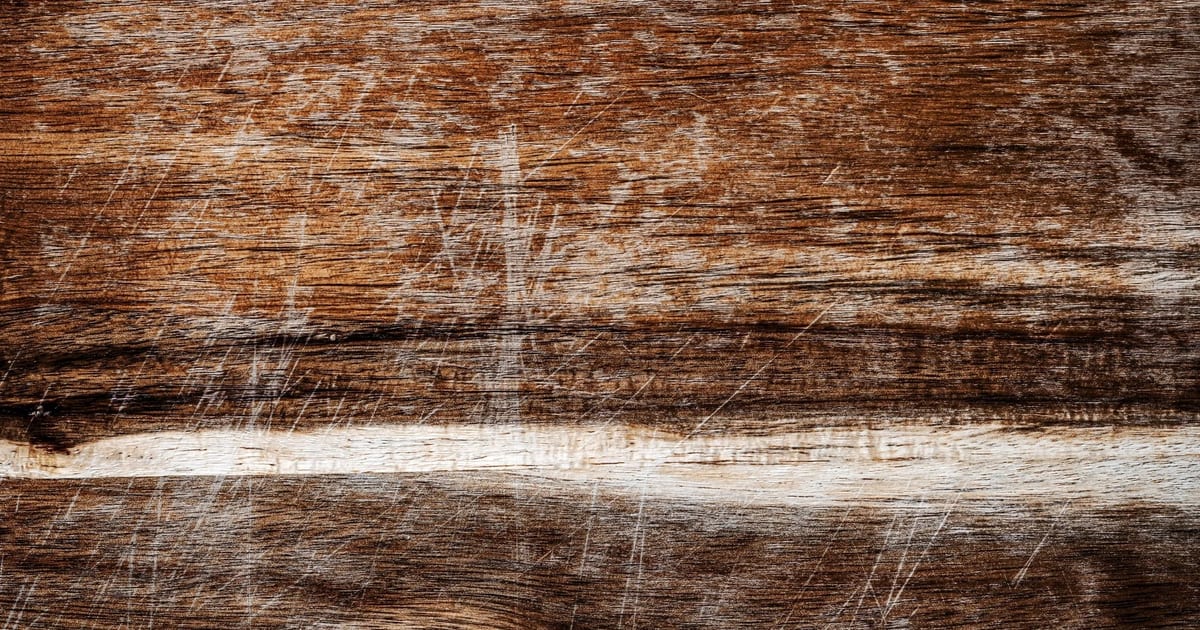
What flooring is best for homes with dogs? LVP with a 20-mil or thicker wear layer is the most practical choice for homes with large or active dogs. Hardwood can work with regular nail trimming and felt pads on furniture, but it will show scratches over time. Hickory is the hardest domestic hardwood species and holds up better than oak or maple.
How does Texas heat affect flooring? The main concern is not outdoor heat but indoor humidity swings caused by aggressive air conditioning in summer. Maintaining consistent indoor humidity (35–55%) protects wood-based flooring. LVP is largely unaffected by humidity swings.
Explore Topics
Written by
DR.FLOOR Team
Content creator and writer sharing insights and stories.